
How Kings turns test results into useful next steps
Practical help before collection
We help clarify the sample and preparation needed for the selected test. If instructions are difficult to follow or something changes before the visit, contact us so the team can advise rather than leaving you to improvise.
A clear view of the proposed testing
We discuss the purpose of the recommended tests and the relevant collection, processing or external laboratory charges. Understanding those components helps you review the estimate and ask about priorities before planned investigations proceed.
Meaning, not isolated numbers
We interpret findings alongside the history, examination and treatment your pet is receiving. Ask us which results matter, whether they need monitoring and what to do while further information is pending, particularly if your pet becomes worse.
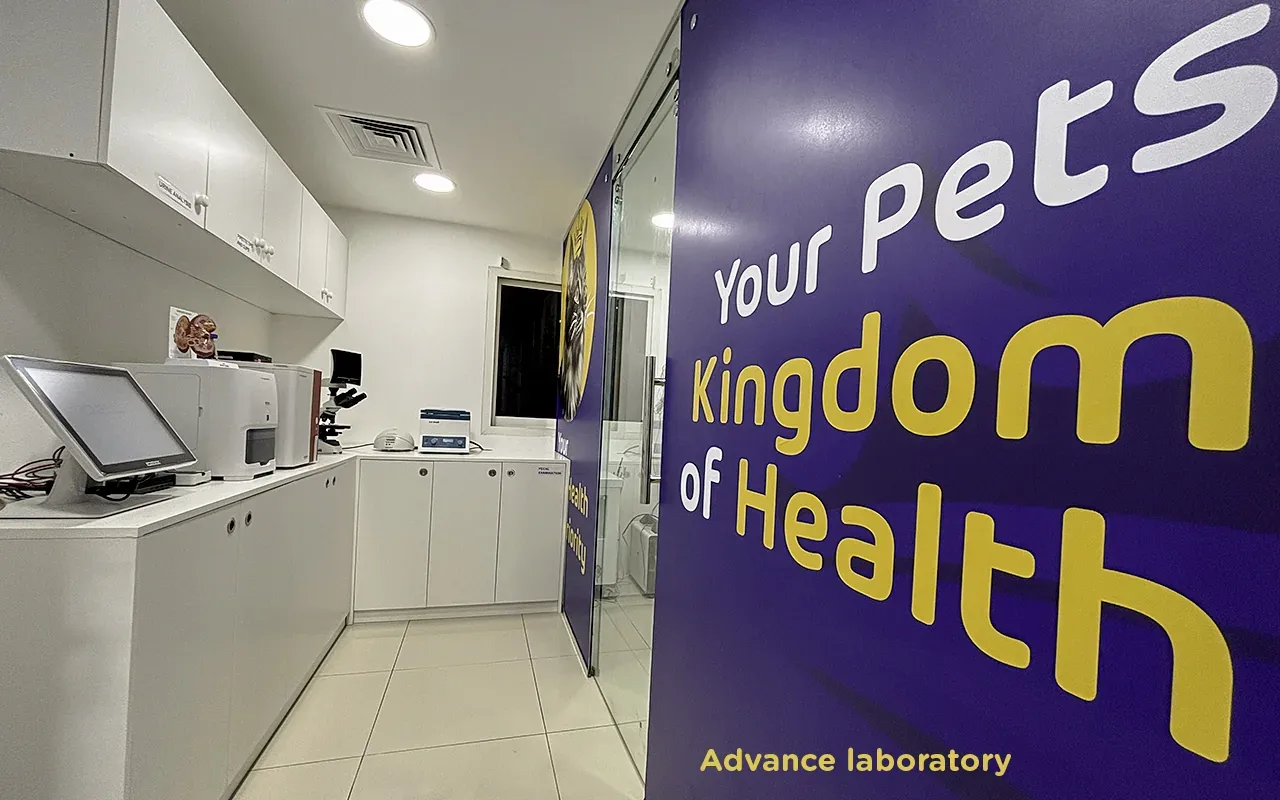
What to expect
The veterinarian selects tests based on your pet’s history and examination. Ask what the test can establish and whether samples are processed at the clinic or sent externally.
Blood, urine and stool testing enquiries
Your veterinarian selects tests to answer a clinical question, rather than recommending every test for every pet. Ask which samples are needed, how to prepare, whether processing is in-clinic or external and when results will be explained. Bring earlier reports so the vet can review changes and discuss whether repeat testing is needed.
Make home-collected samples identifiable
Only collect a sample when the clinic requests it and has explained how. Label the container as instructed, including your pet’s identity and the collection date and time, and tell the team how it was obtained. In a multi-pet home, confirm which animal produced it. Ask about the required container, storage and delivery interval before starting. Urine collected at home is not interchangeable with every clinic collection method, particularly when a specific question about contamination or infection needs answering.
Tell the team about the circumstances of collection
An accurate history includes the last meal, recent activity, current medicines and any difficulty collecting the sample. If you accidentally missed a preparation instruction, explain it rather than hiding it or cancelling without advice. The team can decide whether to proceed, record the circumstances or rearrange the test. For anxious pets, ask about a calmer arrival plan. Do not give a sedative, change medication timing or withhold food based on another pet’s instructions.
Keep repeat results in a useful sequence
For long-term monitoring, save each report with its date and the treatment being given at that time. Ask which values the veterinarian is following and whether the next sample needs to be collected at a particular point in the treatment schedule. A trend may be more informative than comparing a single highlighted number with an online range. The clinician should explain what, if anything, changes in the plan after reviewing the results.
Before your appointment
Follow the clinic’s instructions for any blood, urine or stool sample. Ask whether special timing, storage or fasting is required for the particular test.
After your visit
Result times vary. Agree how and when you will receive an explanation, and contact the clinic if your pet’s condition changes while waiting.
Costs & what to ask
The specific panel, sample collection, processing and any external laboratory charges affect the price.
Contact your chosen branch for current pricing and availability. Ask what is included in your estimate before confirming treatment.
The right sample for the right test
Sample type, timing and handling can affect whether a laboratory result is useful. Obtain collection instructions for the exact test instead of bringing an unrequested sample. Provide the names and timings of current medicines or supplements so the vet can decide whether they are relevant. Do not stop prescribed treatment unless the clinician instructs you to do so.
Results explained in context
A value outside a laboratory reference range does not identify a diagnosis by itself. Your vet interprets findings in the context of the pet, examination and other evidence. Ask whether a result needs confirmation, monitoring or an appointment to discuss treatment. Confirm the expected turnaround, any external laboratory charges and how you will receive the explanation.
Your questions, answered
Which laboratory tests should my pet have?
The appropriate test depends on the symptoms, examination, medical history and the question the veterinarian needs to answer. A blood panel, urine test and a targeted screening test provide different information; a broad package is not automatically the best choice for every patient.
Ask the vet to explain the purpose and priority of each recommended investigation. Bring previous results and the date they were collected. Kings’ laboratory services include enquiries about IDEXX SNAP testing; confirm the exact test, sample and availability with the branch rather than assuming that every possible panel is processed on site.
How should I prepare for blood, urine or stool testing?
Follow the clinic’s instructions for the specific test. Ask whether feeding, medication timing, sample collection, storage or delivery time matters. Different investigations have different requirements, and a sample collected or kept in the wrong way may not answer the intended question.
If you are asked to bring a sample, confirm the container and collection method with the team. Tell the veterinarian about medicines, supplements and recent treatment. Do not stop prescribed medication or fast your pet without individual instructions. Reception can help clarify the plan before your appointment.
When will results be ready, and what does an abnormal result mean?
Turnaround varies with the test and whether the sample is processed at the clinic or sent externally. Agree an expected timeframe and a contact method before leaving. The veterinarian should explain what the findings mean for your pet and whether a recheck, further testing or treatment is needed.
A result outside a laboratory reference range is interpreted alongside the patient’s history, examination and other findings; it is not a complete diagnosis by itself. Ask which changes matter, what is still uncertain and when to review progress. Call the clinic if your pet worsens while results are pending.
Can I use any clean household container for a sample?
Check first. The test may require a particular container and collection method. Ask about labelling, storage and delivery timing; an unsuitable container or incorrectly handled sample may need to be replaced.
What if my pet ate before a test that needed preparation?
Tell the clinic what and when your pet ate and ask whether to attend as planned. Do not extend fasting or alter medicines yourself to compensate. The team will decide whether the intended test can still provide useful information.
Appointment information updated 29 October 2026. Your treating veterinarian will provide advice specific to your pet.