How Kings helps you make confident dental decisions
Understand the mouth, not just the teeth
We connect the dental discussion with changes you have noticed at home, from chewing to behaviour. Our aim is to explain the concern and the proposed assessment clearly, rather than reducing dental care to a cosmetic cleaning.
Discuss treatment before it changes
We talk through the proposed procedure, estimate and how to contact you if further findings change the recommendation. You can raise concerns about anaesthesia, imaging or possible extractions and understand which decisions may follow the initial examination.
A practical routine after treatment
We help you turn the discharge advice into manageable daily care. Ask us about feeding, medicines, mouth comfort and when preventive dental care can restart, so you know how to support your pet between appointments.
What to expect
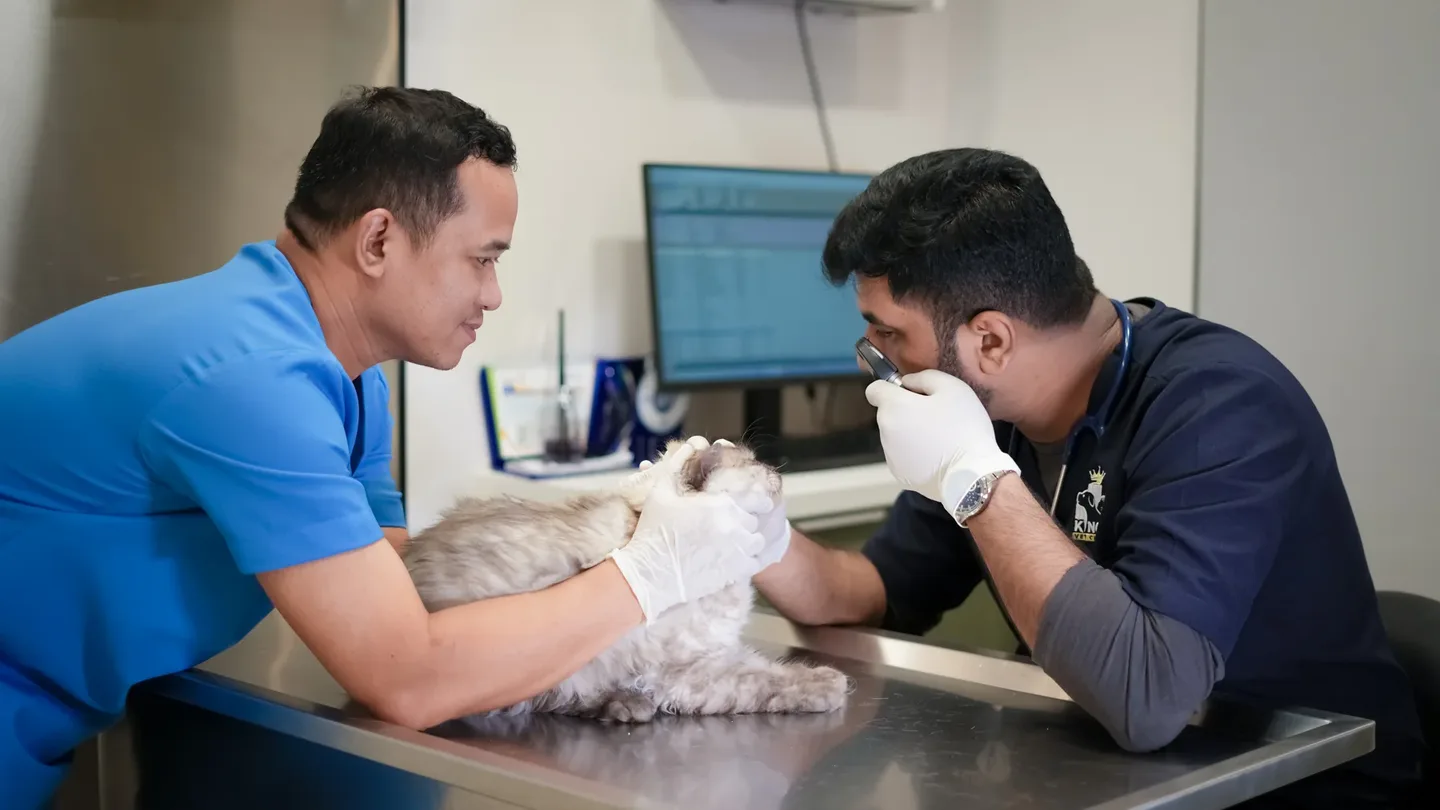
The first step is an oral examination and a discussion of your pet’s health. Your vet explains the proposed cleaning or treatment, the anaesthetic assessment and any further investigations that may be needed.
Planning dog or cat teeth cleaning
A dental assessment is the starting point for discussing professional teeth cleaning, gum concerns, broken teeth or bad breath. The vet explains what can be assessed at the consultation, the proposed anaesthetic assessment and what may only become clear during the procedure. Ask which tests, imaging, extractions, medicines and rechecks are included in the estimate.
Cleaning is only one part of dental care
A dental appointment is about comfort and disease assessment, not simply making teeth look whiter. Tell the vet about changes in chewing, dropping food, reluctance to accept a usual treat or handling around the face. A pet may still eat while experiencing a mouth problem. Ask which parts of the mouth can be assessed while awake and what would require an anaesthetised examination, imaging or treatment before a reliable plan can be made.
Why an awake scale is not the same procedure
Removing deposits from the visible tooth surface does not provide a full assessment below the gumline. AAHA advises against anaesthesia-free dental scaling as a substitute for professional veterinary dentistry. If anaesthesia worries you, raise that concern during the consultation: discuss the individual assessment, monitoring, proposed procedure and alternatives rather than choosing a cosmetic cleaning that may leave disease unrecognised. Ask whether additional expertise or referral is appropriate for a particularly complex problem.
Build a home routine your pet can tolerate
Once the veterinarian confirms that the mouth is comfortable and healing allows it, discuss a gradual dental-care routine suited to your pet. Ask for a demonstration rather than trying to restrain a painful mouth at home. Bring the names of chews, brushes or other products you already use so the team can review them. A manageable routine and scheduled reassessment are more useful than assuming a single cleaning prevents every future dental problem.
Before your appointment
Tell the vet about medicines, medical conditions and previous anaesthetic problems. Follow the clinic’s individual instructions about feeding and medication before a booked procedure.
After your visit
Ask for written instructions about feeding, prescribed medicines, home dental care and rechecks. Recovery depends on the treatment performed, including whether extractions were required.
Costs & what to ask
An estimate may include assessment, blood tests, anaesthesia, cleaning, imaging, extractions and medicines. Ask which items are included and how additional treatment will be authorised.
Contact your chosen branch for current pricing and availability. Ask what is included in your estimate before confirming treatment.
Know how treatment decisions will be made
An awake mouth examination starts the discussion, but the full extent of dental disease may only become clear during a procedure. Before admission, discuss the proposed assessment, anaesthesia, pain relief and whether additional imaging or extractions may be considered. Agree how the team can contact you if the recommended treatment or estimate changes.
Make the home-care plan practical
Before collection, ask how your pet should eat, when prescribed medicines are due and when home dental care can restart. Request an explanation of which changes need a telephone call and which need urgent attention. A recheck and a manageable prevention routine help you understand the next steps after the initial procedure.
Your questions, answered
How do I know whether my pet needs a dental appointment?
Book an assessment if you notice persistent bad breath, a broken or loose tooth, difficulty chewing, food dropping from the mouth, excessive drooling, bleeding or swelling around the face or mouth. These signs do not establish a diagnosis, and the visible surface of a tooth may not show the full problem.
Describe what you have noticed and when it began, and mention any change in appetite or behaviour. Your vet will assess the mouth and discuss whether further examination or treatment is needed. Avoid forcing open a painful pet’s mouth. Contact the clinic promptly for advice if your pet appears very painful or cannot eat normally.
Does a professional pet dental cleaning require anaesthesia?
Professional veterinary dental procedures generally require general anaesthesia with suitable airway protection and monitoring. This allows the team to examine and treat the mouth thoroughly, including areas that cannot be managed safely while an animal is awake. An awake cosmetic clean does not provide the same assessment or treatment.
Your vet should explain the individual anaesthetic assessment, the proposed procedure and relevant risks. Share your pet’s medical conditions, medicines and previous anaesthetic history. Ask which pre-procedure investigations are recommended and how your pet will be monitored and supported during recovery.
Why can dental treatment costs change after the examination?
An initial consultation provides a starting assessment, but the full extent of dental disease may become clearer during a more complete examination and any indicated dental imaging. A cleaning and treatment plan can therefore differ from a simple fixed-price cosmetic service.
Ask for an estimate that separates assessment, tests, anaesthesia, cleaning, imaging, possible extractions, medicines and rechecks. Agree how the team will contact you and obtain consent if additional treatment is recommended. Tell reception which phone number will be reachable on the day. A clear consent plan helps you understand both the clinical decisions and any change to the expected cost.
How should I prepare for dental treatment and care for my pet afterwards?
Follow the clinic’s instructions for your pet’s feeding, medicines and admission time. There is no single preparation rule suitable for every patient, especially when age or an existing condition affects anaesthetic planning. Bring the current treatment list and ask any questions about the estimate before admission.
After treatment, request written instructions for feeding, prescribed medicines, home mouth care, warning signs and follow-up. The plan will depend on whether the visit involved cleaning alone or additional treatment such as extractions. Ask when brushing or other home care can resume and whom to contact if recovery does not follow the expected course.
My pet still eats. Could there still be a dental problem?
Yes. Eating alone does not establish that the mouth is healthy or comfortable. Describe changes in chewing, breath, drooling or behaviour and arrange an examination rather than waiting for complete food refusal.
Is visible tartar removal enough?
Not necessarily. An awake cosmetic scale cannot replace a veterinary assessment of the teeth and tissues below the gumline. Discuss a properly assessed dental plan and any anaesthetic concerns with the veterinarian.
Appointment information updated 29 October 2026. Your treating veterinarian will provide advice specific to your pet.