
How Kings helps make complex care more manageable
Bring the history into focus
We review the information you share about symptoms, earlier investigations and treatment response. A clearer timeline helps the consultation focus on what is already known and what still needs explaining, rather than starting from isolated results.
Understand the next decision
We explain the purpose of proposed investigations and how the findings may guide treatment. Where a staged approach is appropriate, you can discuss priorities and costs rather than feeling that every possible test must happen at once.
Make ongoing care realistic
We want to know about difficulties with medicines, feeding, monitoring or attending reviews. These practical conversations help you understand what to watch for, when to contact us and how to follow the treating veterinarian’s plan at home.
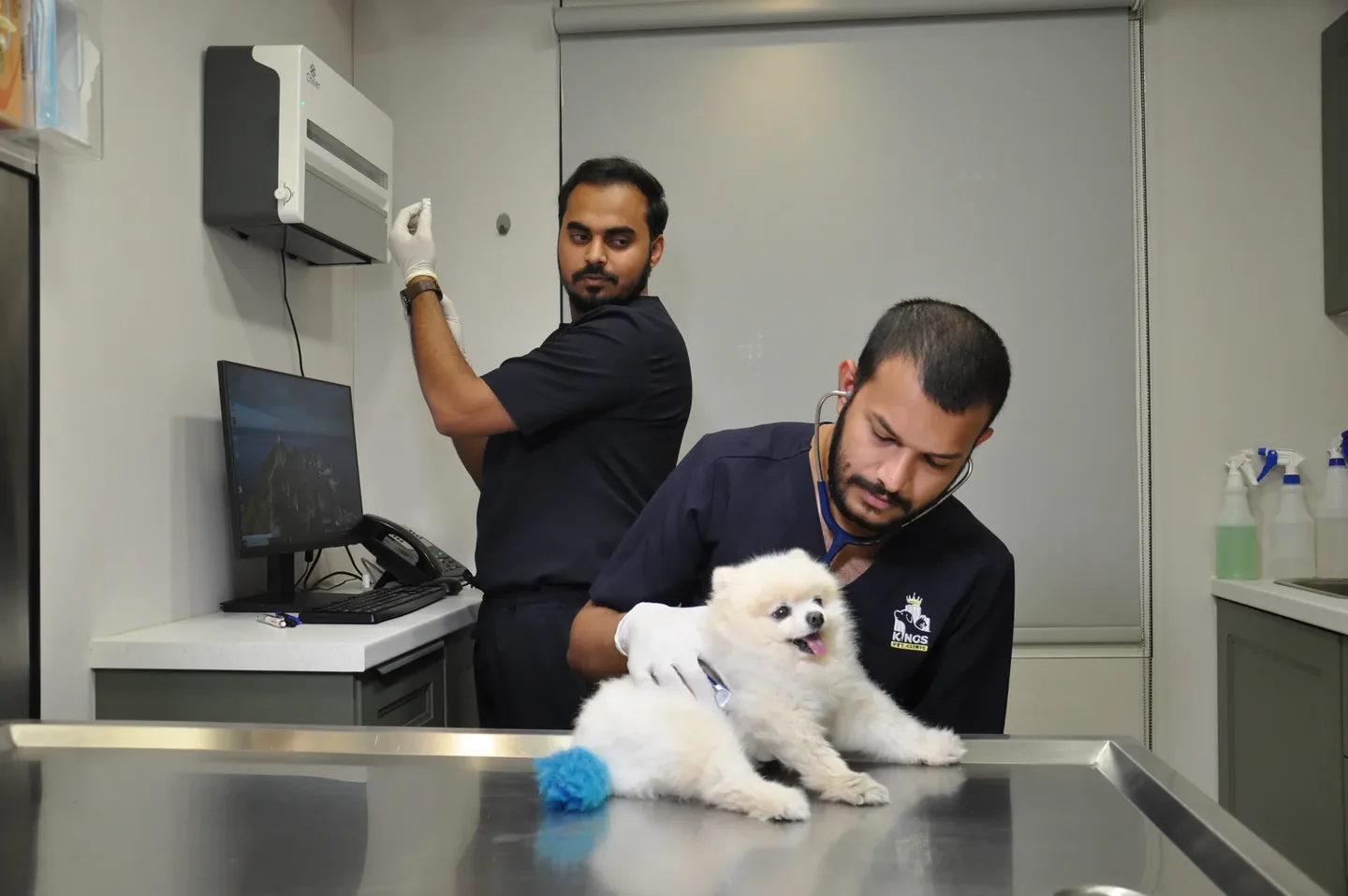
What to expect
Your vet takes a detailed history, examines your pet and discusses possible next steps. Blood tests or imaging may be recommended depending on the findings.
Turn recurring symptoms into useful evidence
For intermittent vomiting, appetite changes or altered drinking, note what happened and when without deliberately provoking another episode. Record food changes, medicines and whether other pets are affected. If several clinics have been involved, gather the actual results rather than only a summary that a test was “normal”. The consultation can then distinguish what is established from what remains uncertain and identify which new information would make the next decision more useful.
One pet can have more than one problem
Ongoing illness does not always fit a single explanation. A new symptom may relate to the existing condition, a treatment effect or something separate. Tell the vet when it began relative to changes in food or medication. Ask how the proposed investigation would help separate the possibilities. A care plan may be staged, with the most pressing questions addressed first, rather than ordering every available test or changing several treatments at the same time.
Choose monitoring you can sustain
Ask for a small number of clearly defined observations that matter for your pet, such as appetite, body weight or a specific symptom diary. Confirm what change should trigger a call and when a planned review is due. Discuss medicine costs, difficulty giving treatment and travel commitments honestly; these practical details affect whether a plan is workable. For a prescribed diet, ask how to manage the transition and what to do if your pet will not eat it.
Before your appointment
Bring a timeline of symptoms, previous results and all current medicines. Photos or videos of intermittent signs may help the discussion.
After your visit
Ask for the treatment plan, monitoring instructions and the date of the next review. Contact the clinic if new symptoms or concerns arise.
Costs & what to ask
Consultation, diagnostic testing, medicines and follow-up appointments may be separate parts of the estimate.
Contact your chosen branch for current pricing and availability. Ask what is included in your estimate before confirming treatment.
Bring the whole history together
For an ongoing problem, a short timeline can be more helpful than a long list of isolated symptoms. Include previous diagnoses, treatment changes, test dates and how your pet responded. Bring the original reports where possible. This helps the consultation focus on what has already been established, which questions remain and what information is needed next.
A monitoring plan for daily life
Long-term care often involves reviewing response as well as choosing an initial treatment. Ask which observations to record at home, when monitoring tests may be needed and when to contact the clinic. Discuss difficulties with giving medicines, feeding or attending rechecks so the veterinarian understands what your household can realistically manage.
Your questions, answered
What does an internal medicine consultation involve?
An internal medicine consultation investigates a medical concern by bringing together the history, physical examination and any previous results. It can be useful for an ongoing, recurrent or more complex problem that needs a structured diagnostic and monitoring plan.
Tell the vet when the signs began, how often they occur and which treatments have already been tried. Ask what the leading questions are, which investigations are recommended and how the results could change care. The plan may develop over more than one appointment; a symptom described online does not establish a diagnosis.
What information is most useful for a long-term or second-opinion case?
Bring earlier clinical notes, test reports, images, the current medicine list and any discharge instructions. A timeline of the problem can be especially useful: when changes began, what improved or worsened and how your pet responded to previous treatment. Short videos may help illustrate an intermittent sign that is not present during the visit.
Ask reception whether records should be sent ahead and which branch or clinician is appropriate. Do not stop an existing treatment solely to prepare for a new opinion. Discuss any concerns about that treatment with the receiving veterinarian.
How are treatment and follow-up decisions explained?
Ask for a plan that identifies the aim of treatment, any pending investigations, monitoring at home and the next review. Make sure you understand how to give any prescribed medicine and whom to contact if a new concern arises.
Some conditions require reassessment rather than a one-time visit. Ask which signs should prompt an earlier call and whether repeat tests will be needed to monitor progress. Estimates can include consultation, testing, medicines and later reviews separately, so discuss both the immediate next step and likely follow-up costs with the team.
Should a new symptom be assumed to be part of the old illness?
No. Tell the vet when it started and about recent changes in treatment or diet. The clinician can assess whether it is related, a possible treatment issue or a separate problem.
What if my pet refuses a prescribed diet?
Contact the treating team for an individual transition plan rather than withholding all other food until the pet accepts it. Poor appetite itself may need assessment, particularly in a cat with an ongoing medical condition.
Appointment information updated 29 October 2026. Your treating veterinarian will provide advice specific to your pet.