How Kings makes a health check useful beyond the visit
Space for the small questions
Bring up changes in sleeping, grooming, appetite, weight or play, even if they seem minor. We help you decide which observations belong in a routine prevention discussion and which may need a more focused assessment.
Priorities you can act on
We explain the reasons for recommended checks and help you understand what needs attention now. You can discuss preventive care, dental health and nutrition without assuming that every available test is necessary for every healthy-looking pet.
A plan that works at home
We encourage clear next steps that your household can follow, including the timing of reviews and useful observations to record. If a recommendation is difficult to manage, tell us so we can discuss the practical obstacles with you.
What to expect
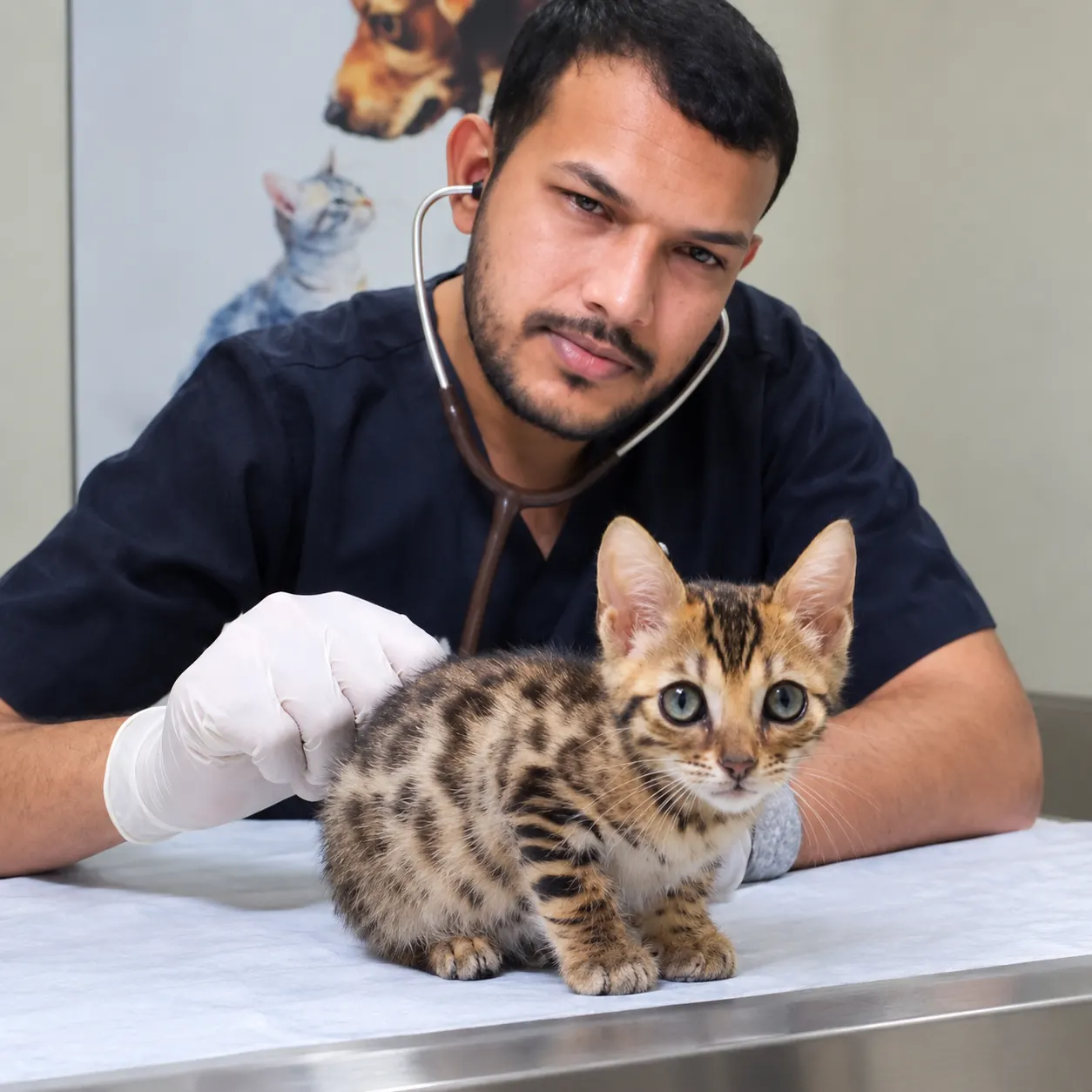
The appointment brings together a physical examination, your observations and a discussion about weight, diet, behaviour and preventive care. Your vet recommends additional tests only where appropriate.
A consultation for your cat or dog
Book a general vet consultation to discuss a new concern or arrange a routine health check. Share changes in appetite, drinking, activity or behaviour and bring existing records. For a senior pet check-up, mention ongoing conditions and medicines so the team can plan the visit. If you think your pet needs urgent help, call the branch directly.
Notice small changes before the visit
A health check is more informative when it includes your pet’s normal routine, not just how they behave in the consultation room. Think about favourite resting places, willingness to jump, interaction with family, grooming and toileting. Compare the present with a few months ago. An older cat avoiding a familiar high perch, for example, is worth mentioning rather than dismissing as age. These observations help the vet decide which questions deserve a closer look.
Look at trends, not only today’s number
Bring previous weight records where available and tell the team if the feeding routine has changed. Ask how body condition and muscle condition relate to the number on the scales, and whether a change needs investigation or a nutrition discussion. The aim is a usable baseline for your pet. If screening is recommended, ask which finding or risk prompted it and what the result could change, rather than treating every available panel as a compulsory annual package.
Make preventive care fit the household
Use the appointment to flag a new baby, another animal, travel, boarding or a move. These changes can affect routines and the questions you want answered. If more than one person feeds or medicates your pet, agree who keeps the record and brings it to future appointments. A short shared plan makes it easier to follow recommendations consistently and recognise a genuine change. Contact the clinic sooner if a new problem arises instead of waiting for the next routine date.
Before your appointment
Bring vaccination records, previous test results and a list of questions. Note changes in appetite, thirst, activity or behaviour that you would like to discuss.
After your visit
Ask for a practical plan covering any recommended tests, preventive treatments and the next check-up. The appropriate interval varies by age and health.
Costs & what to ask
Ask for the consultation fee and whether any vaccinations, parasite treatments or screening tests are charged separately.
Contact your chosen branch for current pricing and availability. Ask what is included in your estimate before confirming treatment.
A visit built around your pet’s life
Use a health check to discuss everyday details that may not seem medical: a change in play, grooming, sleep, toileting, appetite or interaction. Bring your main concerns in priority order. The veterinarian can help distinguish routine prevention topics from changes that deserve a more focused investigation, with recommendations suited to your pet’s age and circumstances.
Leave with priorities and dates
A useful plan explains which actions matter now and which can be scheduled later. Ask about weight goals, parasite prevention, dental care and the timing of any recommended follow-up. If tests are proposed, clarify their purpose and separate cost. Keep a copy of the plan so your household can follow the same instructions.
Your questions, answered
What happens during a routine pet health check?
A wellness visit combines a discussion of life at home with a physical examination. The vet can review changes in weight, eating, drinking, activity or behaviour and discuss preventive care, oral health, nutrition and other concerns relevant to your pet.
Bring the vaccination record, previous reports and a list of medicines or supplements. Prepare the questions that matter to you rather than assuming a check-up is only a vaccination appointment. If screening tests or treatment are recommended, ask why they are appropriate and whether they are additional to the consultation fee.
How often should my pet have a check-up?
The interval should suit your pet’s age, health and ongoing care needs. A young animal, an older pet and a patient receiving long-term treatment may need different follow-up schedules. Your veterinarian can recommend when to return and which changes should prompt an earlier appointment.
Do not wait for a planned routine visit if your pet develops a new or worsening problem. Tell reception why you are booking so the appointment can be arranged appropriately. For an emergency, call your nearest branch at once; Kings is open 24 hours for emergency care.
Can a healthy-looking pet still benefit from a wellness appointment?
Yes. A routine visit gives you and the vet an opportunity to review observations, records and preventive care before a problem becomes your main reason for attending. It also provides a point of comparison for future changes in your pet’s weight or examination findings.
The consultation does not mean that every pet needs every screening test. The vet should explain which checks are appropriate and how any proposed test would help. Ask for a clear plan covering the next review, preventive care and any monitoring at home that is useful for your pet.
Should I mention subtle changes in an older pet?
Yes. Changes in jumping, grooming, sleep or interaction are useful observations, even when your pet still eats. Age alone is not an explanation for every change; the veterinarian can decide what merits investigation.
Can I combine a wellness visit with a weight discussion?
Yes. Bring the food name, daily amounts, treats and any previous weight records. Ask for an assessment of body and muscle condition and an individual plan rather than choosing a target weight from breed averages alone.
Appointment information updated 29 October 2026. Your treating veterinarian will provide advice specific to your pet.