Start with a call, not a diagnosis
Loss of appetite is a sign, not a diagnosis. Dental pain, illness and stress are among the possible explanations. A cat approaching food and then walking away may still need assessment. Tell the clinic when normal eating changed and how much your cat has actually eaten; do not assume that a few treats equal a normal meal.
Which signs need immediate help?
If breathing is difficult, seek emergency care immediately rather than trying to manage the problem at home. Repeated litter-box visits with straining and little or no urine can mean a urinary blockage, another emergency. Call the receiving branch while arranging transport when possible. Do not wait for a website form or WhatsApp reply.
Why poor intake matters
Cats can develop a serious liver problem called hepatic lipidosis after a period of inadequate food intake. Overweight cats are particularly vulnerable, but appearance alone cannot show whether a cat is safe. The aim is to investigate the reason for poor appetite and support nutrition before the situation worsens.
Avoid making feeding more stressful
Do not force food into your cat’s mouth or start syringe-feeding without veterinary direction. This can worsen food aversion and risks food entering the airways. Do not use leftover appetite medicines or human medicines. Ask the treating veterinarian for a feeding and medication plan appropriate to your cat.
Prepare these details for the clinic
Note the last normal meal, food and approximate amounts eaten since, drinking, vomiting, stools and urine output. Mention changes in behaviour, chewing or swallowing, recent weight loss, existing conditions and all medicines. Bring previous reports and the usual food name or packaging. A short video of unusual behaviour may help explain your concern, but collecting it should not delay urgent care.
What may happen at the appointment?
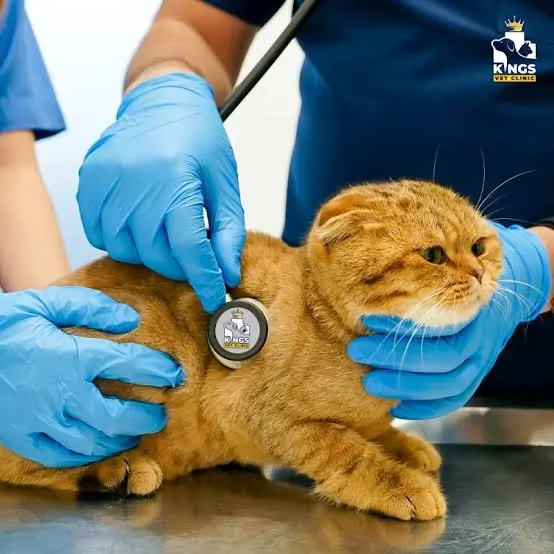
The veterinarian will examine your cat, including the mouth, and decide whether blood tests or imaging are appropriate. Treatment depends on the findings and may include a supervised nutrition plan. Ask which investigations are proposed, what the estimate includes, how results will be explained and when to call again if appetite does not improve.
Arrange care with Kings
Choose the Kings branch you can reach and call to explain the appetite change. Reception will confirm the receiving clinician and arrangements. For urgent signs, use the emergency telephone contacts rather than an appointment request. Tell the team if your cat is frightened of travel or handling so you can discuss preparation before leaving.
Common questions
My cat is drinking but not eating. Can I wait?
Drinking does not explain or resolve the loss of appetite. Contact a veterinarian promptly and describe both food and water intake. Other signs and your cat’s age and medical history affect how urgently the team needs to see them.
Should I wait a full day before calling?
No. The 24-hour warning is not a recommended waiting period. Call when you notice your cat has stopped eating, particularly for a young kitten or a cat with an existing illness.
Could my cat just be stressed?
Stress can affect eating, but medical problems can do so too. Tell the veterinarian about changes at home without assuming they are the only cause. A sudden or persistent appetite change deserves assessment.
Care at Kings
Share your pet’s symptoms, previous records and current medicines with your branch. The team will confirm the appropriate clinician, location and appointment. Ask how results, treatment options, costs and follow-up will be explained.
- Wellness & health checks
- Internal medicine
- Veterinary diagnostics
- Veterinary laboratory testing
- 24-hour emergency vet care
General educational information. Your treating veterinarian will assess your pet and explain suitable care. A symptom can have several causes; this guide cannot diagnose your pet.