
How Kings makes preventive care simpler
A plan for your pet, not just a package
We bring your pet’s age, records and lifestyle into the conversation. Tell us about boarding, grooming or travel so we can explain relevant vaccination decisions and help you understand which appointments and documents need attention.
Clear records and next steps
We help you understand what has been given, what is due next and what to keep in your pet’s booklet. You can ask questions before leaving, rather than trying to piece together a schedule from separate reminders.
A clearer view of the cost
We explain the proposed appointment and what the estimate includes. If your pet needs several preventive-care steps, we can discuss their purpose and timing so you can plan ahead with fewer uncertainties.
What to expect
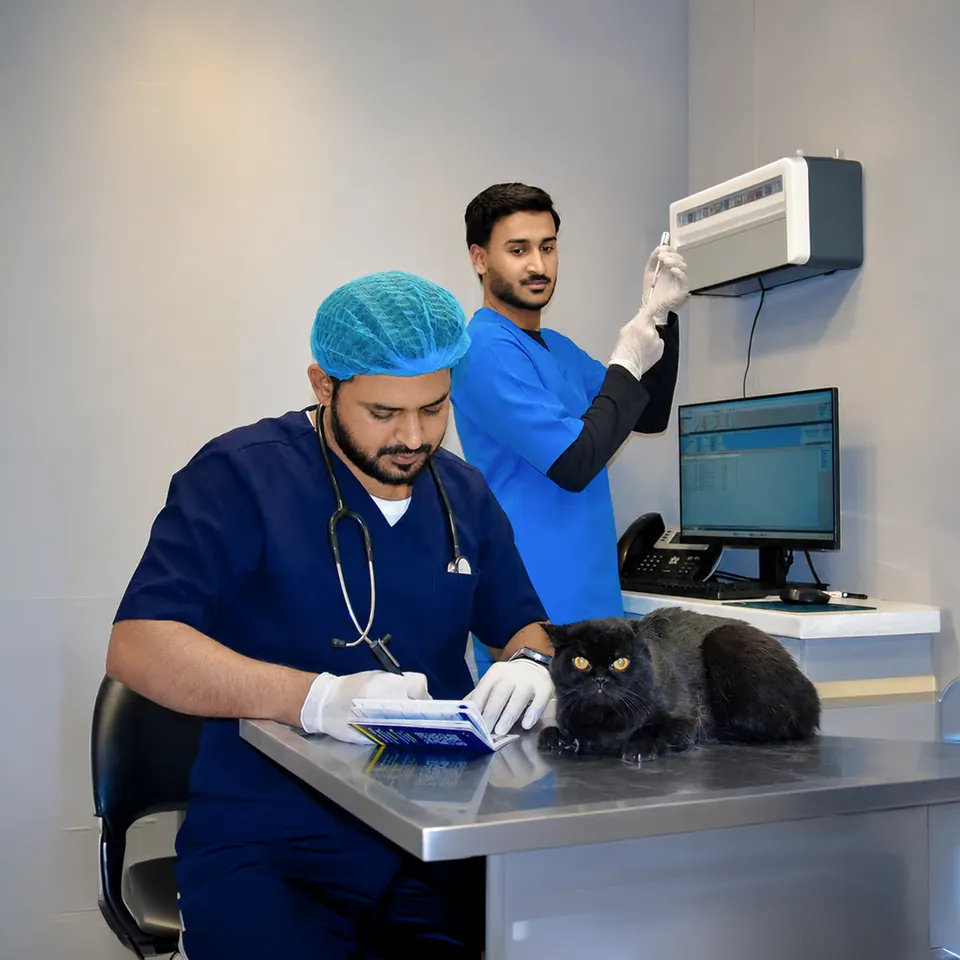
Your vet reviews the vaccination record, checks your pet and discusses which vaccines and boosters are appropriate. Young pets and pets with an uncertain history may need more than one visit.
Cat and kitten vaccination appointments
Bring your cat’s vaccination booklet and tell the team their age, health history and whether they live with other animals. Your veterinarian will review the record and explain the vaccines, booster visits and follow-up appropriate to your cat. Ask for a cat vaccination quote that identifies each included item.
Dog and puppy vaccination appointments
For a puppy’s first vaccinations or an adult dog’s booster review, share the existing record when you request the appointment. Your vet considers age, previous doses, health and lifestyle before advising a plan. Ask whether the dog vaccination estimate includes the examination, rabies vaccine, later doses and any registration charges.
A plan that changes with your pet’s lifestyle
Tell us where your pet spends time: at home, in shared dog areas, with a groomer, in boarding or travelling abroad. A new puppy joining the household, a move or a change in boarding arrangements can change the conversation. Vaccination recommendations consider the individual animal and exposure risk, not simply a package name. Bring the receiving facility’s written requirements so the clinical plan and the paperwork can be discussed together.
Make the next appointment easy to track
Ask for a written list of what is due next, rather than relying on a reminder labelled only “annual vaccination”. Different products and courses can have different intervals. If several family members arrange appointments, keep one shared copy of the booklet and the clinic’s instructions. Before a trip, allow time to check whether the destination recognises the existing records; a routine vaccination visit is not automatically a travel-clearance appointment.
Tell us about a previous reaction
Describe what happened, how soon it started and whether treatment was needed after any previous vaccination. Include the product or booklet entry if available. This information helps the veterinarian discuss an appropriate approach instead of guessing from the word “allergy”. Before leaving, clarify which post-visit changes need a call and which need urgent assessment. Do not give preventive medicines on your own or assume a previous reaction means every future vaccine must be avoided.
Before your appointment
Bring your pet’s vaccination booklet, microchip details and any previous medical records. Tell reception if your pet is unwell or has had a reaction to a previous vaccine.
After your visit
Ask which reactions to watch for, when the next vaccination is due and when boarding or travel is appropriate. Contact a veterinarian promptly if your pet develops concerning symptoms.
Costs & what to ask
The quote depends on the species, age, vaccine type and number of doses. Ask whether the examination, vaccination record, rabies vaccine and any registration charges are included.
Contact your chosen branch for current pricing and availability. Ask what is included in your estimate before confirming treatment.
A vaccination record you can use
A useful vaccination visit ends with clarity about what was given and what happens next. Keep the updated booklet and ask the veterinarian to record the next due date. Tell the team about boarding, grooming or international travel plans early: the receiving organisation or destination may have its own document and timing requirements.
When the history is incomplete
If a booklet is missing or a booster is overdue, send any records you do have before the appointment. The vet can assess the evidence and explain an appropriate plan. An injection date alone may not establish a complete course, so avoid booking travel or boarding around an assumed vaccination schedule before this review.
Your questions, answered
Which vaccinations does my cat or dog need?
Vaccination is planned for the individual pet rather than chosen only by a package name. Your veterinarian considers species, age, previous doses, health, lifestyle, exposure to other animals and any boarding or travel plans. Core viral protection for dogs commonly includes distemper, adenovirus and parvovirus; for cats it includes panleukopenia, calicivirus and herpesvirus. Rabies and other vaccination decisions must be checked against the pet’s circumstances, the product and local requirements. Core protection and additional risk-based vaccines have different roles.
Bring the vaccination booklet so the vet can identify what has already been given and explain the next dose or booster. International guidance informs this discussion, but the selected products and schedule must also suit the patient and local requirements. Ask for the vaccine names, the reason for each recommendation and the next due date in writing.
How much does cat or dog vaccination cost, and what is included?
Request a quote for your pet’s actual vaccination plan. A kitten, puppy or pet with an uncertain history may need a different course from an adult returning for a booster, so the number of visits matters as well as the price of one injection.
Ask whether the estimate includes the examination, each vaccine, the vaccination record and any applicable registration charges or VAT. Confirm the price of later doses separately. Send reception your pet’s species, age and booklet to help the team explain the relevant appointment and current fee. Do not assume that rabies vaccination, microchipping or parasite treatment is included in every package.
Do indoor cats still need vaccinations?
An indoor lifestyle does not automatically remove the need for vaccination. Your vet considers the cat’s age and history together with household changes, contact with other cats, boarding and other possible exposure. The recommended plan may differ from that for a cat that regularly goes outdoors.
Take the existing record to the consultation and explain how your cat lives. Ask which vaccines are considered core, whether additional protection is relevant and when the next assessment is due. An individual risk assessment is more useful than assuming that all indoor cats need exactly the same products or booster interval.
How do I prepare for vaccination, and what happens afterwards?
Bring your pet’s records and tell the team about current illness, medicines and previous vaccine reactions. The veterinarian reviews the history and examines your pet before deciding whether vaccination should proceed that day. Young pets may need a series of appointments; ask the team to explain the whole course.
Before leaving, confirm the next due date, which changes to watch for and how to contact the clinic if you are worried. Ask when your pet’s vaccination record will meet a particular boarding or travel requirement. Do not assume a vaccination given today immediately completes every requirement for travel or contact with other animals.
Can boarding or daycare change my dog’s vaccine plan?
Yes. Tell the vet about planned contact with other dogs and bring the facility’s requirements. The veterinarian can assess relevant risks and the timing of protection; an appointment immediately before boarding may not meet the facility’s rules.
Should I mention a reaction to an earlier vaccine?
Always. Share the timing, signs, treatment and vaccine record if available. The veterinarian can assess the circumstances and discuss an individual plan; do not change vaccine doses or give medicines without instructions.
Appointment information updated 29 October 2026. Your treating veterinarian will provide advice specific to your pet.