
How Kings supports a well-planned neutering visit
Timing discussed around your pet
We listen to your reasons for considering surgery and review the details that matter for the individual animal. This helps you understand the recommendation rather than relying on a single age or another pet’s experience.
Know what you are agreeing to
Our veterinary team explains the proposed operation and what the estimate covers, including questions about assessment, medicines and follow-up. If the examination identifies a different approach, we can discuss that before you make the decision.
Recovery that fits your household
We help you prepare for supervision, wound protection and the activity restrictions advised for your pet. Tell us about stairs, other animals or difficulty giving medicines so you can clarify a workable recovery plan before going home.
What to expect
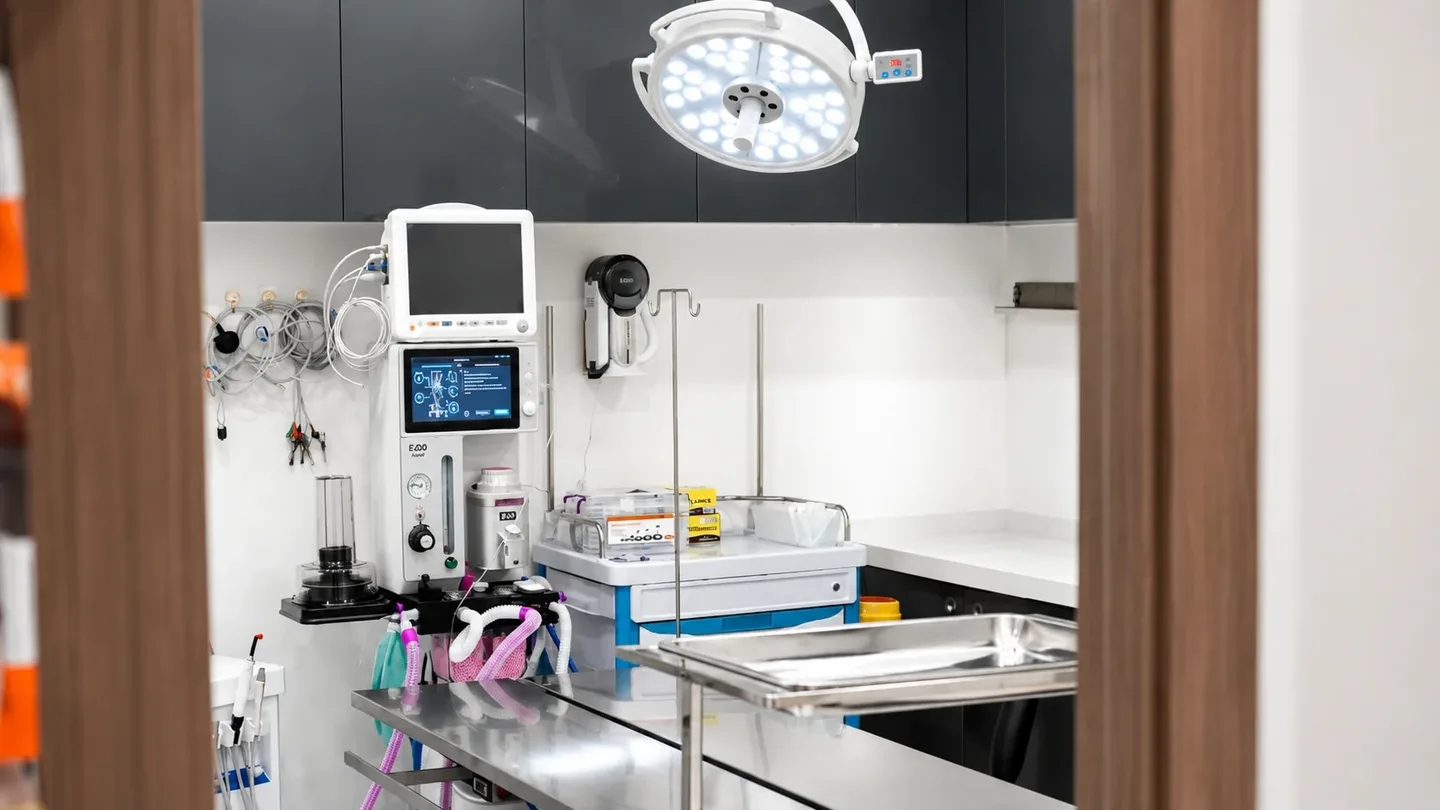
A consultation establishes whether surgery is appropriate and allows the vet to explain the procedure, anaesthetic assessment, consent and expected recovery.
Cat spaying and cat neutering
Tell reception your cat’s age, sex, approximate weight and health history when requesting a consultation or estimate. The vet will discuss appropriate timing, pre-operative assessment, the procedure and the home-care plan. Ask which tests, pain relief, wound protection and rechecks are included.
Dog spaying and dog neutering
A dog’s breed, size, age, health and individual circumstances help guide the discussion about surgery and timing. Arrange an assessment and obtain feeding and medicine instructions from the treating team. The estimate should explain the operation, anaesthesia, monitoring and expected follow-up.
Separate health goals from behaviour expectations
Tell the veterinarian why you are considering neutering: preventing breeding, a medical recommendation or a particular behaviour. These are different conversations. Do not assume surgery will resolve every behaviour concern; describe the behaviour, when it happens and any recent changes so other factors can be considered. If your pet lives with an unneutered companion, explain the household arrangement and ask about separation before and after the procedure rather than relying on an assumed timetable.
There is no single decision for every dog
The timing discussion should take account of the individual pet, including breed, age, sex and health. A recommendation for a neighbour’s dog is not automatically the right recommendation for yours. Ask what benefit the proposed timing offers in your pet’s circumstances, whether any findings change that advice and which operation is planned. Mention a missing testicle, a recent season, possible mating or pregnancy when booking, as these details can affect the assessment and estimate.
Plan the practical details before admission
Consider who can supervise your pet, how you will separate active companions and whether stairs or jumping onto furniture will be difficult to prevent. Ask the team to help you turn the prescribed recovery restrictions into a realistic home plan. Confirm what to do if the protective collar does not fit or the pet can reach the wound. Keep the discharge instructions for the whole household, including who gives each prescribed medicine and records that it has been given.
Before your appointment
Bring the medical history and a list of medicines. Ask for instructions tailored to your pet about feeding, medication, arrival time and the journey home.
After your visit
Your discharge plan should cover wound protection, activity, prescribed medicines, warning signs and the recheck appointment. Follow your treating vet’s individual recovery instructions.
Costs & what to ask
Species, sex, body weight, health assessment and surgical complexity affect the estimate. Ask about pre-operative tests, pain relief, protective clothing or a collar and rechecks.
Contact your chosen branch for current pricing and availability. Ask what is included in your estimate before confirming treatment.
Discuss the individual timing and procedure
A neutering consultation should cover why surgery is being considered, the proposed operation and your pet’s circumstances. Mention heat cycles, possible pregnancy, previous illness and any concerns about behaviour or weight. Your vet can explain the relevant choices and risks before you decide, including whether additional assessment is appropriate.
Prepare for the first days at home
Plan a suitable recovery area and ask what supervision your pet will need after collection. Confirm the clinic’s instructions for wound protection, activity, feeding, medicines and the recheck. Feeding and medication instructions before admission must come from the treating team; they should be tailored to your pet rather than copied from another animal’s surgery.
Your questions, answered
When should my cat or dog be spayed or neutered?
The best timing is discussed for the individual animal. Species, sex, breed, expected adult size, health and the risk of an unwanted pregnancy can affect the recommendation. Advice for a growing large-breed dog should not automatically be applied to a cat or a smaller dog.
Book a consultation and share the age, breed, approximate weight, medical history and any recent heat cycle or possible pregnancy. The veterinarian can explain the benefits, relevant risks and timing options for your pet. Ask what the procedure involves and what the expected aftercare will require before choosing a date.
What should be included in a neutering or spaying estimate?
Ask the team to identify the examination, any recommended blood tests, anaesthesia, the operation, monitoring, pain relief, a protective collar or garment and follow-up appointments. Confirm which items are included in the quoted amount and which are separately charged.
Species, sex, size, health and surgical complexity can affect the estimate. Tell the clinic about known conditions and any concern such as an undescended testicle, heat cycle or possible pregnancy when booking. Reception can arrange the appropriate assessment rather than treating every neutering enquiry as an identical operation.
How do I prepare, and what does recovery involve?
Ask for your pet’s specific admission, feeding and medication instructions before the procedure. Do not apply a generic fasting rule or stop prescribed medicine without advice from the treating clinic. Arrange a secure journey home and a suitable space for the recovery plan the vet describes.
At discharge, obtain instructions covering wound protection, prescribed medicines, activity, feeding, follow-up and the changes that need a call or urgent review. Recovery arrangements vary between patients and procedures. Make sure you know how long the restrictions apply and how to contact the team at night if you are concerned.
Will neutering solve every unwanted behaviour?
No outcome should be promised from surgery alone. Explain the specific behaviour to your vet so medical, reproductive and behavioural factors can be considered and realistic expectations discussed.
What if a testicle has not descended?
Tell reception before booking a routine castration. The veterinarian needs to examine your pet and explain the proposed approach, which may differ from a straightforward procedure. Do not assume the same operation or estimate applies.
Appointment information updated 29 October 2026. Your treating veterinarian will provide advice specific to your pet.