
How Kings helps you choose with a purpose
More than a size label
We encourage you to compare the product’s measurements and intended use with your pet’s needs. That makes the conversation more useful than choosing by breed alone or assuming that the same size means the same fit across brands.
Practical purchasing information
Ask us to confirm the item, available size, price and collection arrangements before making a special journey. We help clarify the applicable product and exchange information rather than leaving you to rely on a general catalogue description.
Connected to the care plan
If an accessory is needed after treatment, tell us what the veterinarian recommended. We help you raise the right questions about fit and use, rather than assuming an attractive or comfortable-looking product provides the protection your pet needs.
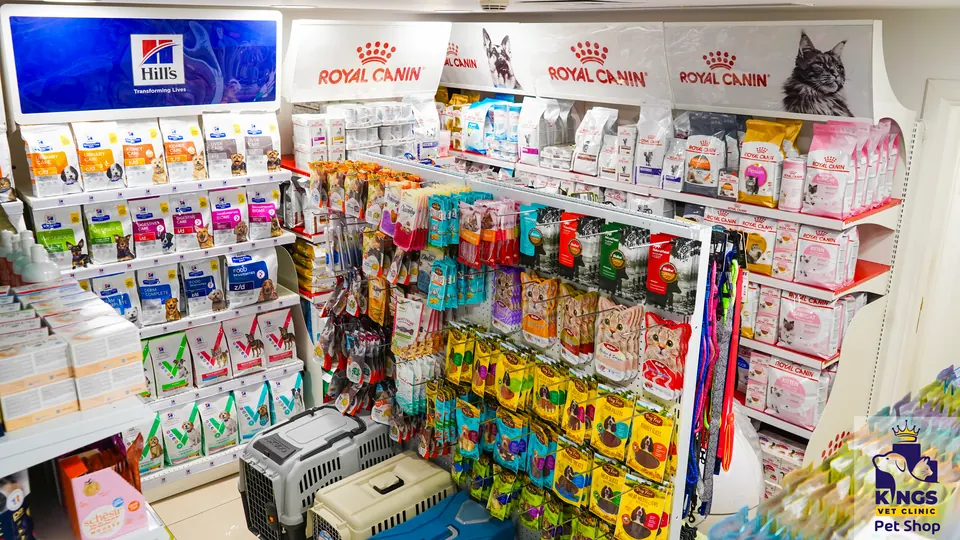
What to expect
The team can check current products and help you confirm the appropriate size or item before a visit.
Start with the job the accessory needs to do
Describe how and where you intend to use the item: everyday walks, car travel, rest at home, enrichment or recovery after a procedure. A familiar-looking product may not be designed for all of these uses. For a carrier, consider how your pet enters, how it is secured and whether you can clean it easily. For a harness or collar, take the manufacturer’s requested measurements and check the adjustment range rather than relying only on a breed name or age.
Check the item before regular use
Inspect fastening points, seams, edges and removable parts when you receive an accessory. Introduce unfamiliar equipment gradually in a calm setting and supervise initial use so you can notice discomfort or an unsuitable fit. Recheck adjustable items as a young pet grows or an adult’s body condition changes. If an item is intended to protect a wound or support recovery, ask the treating team to confirm the fit and how it should be used; comfort alone does not establish that it provides the required protection.
Keep product advice separate from medical advice
A product description should explain intended use, cleaning and care, not diagnose a problem. If chewing, scratching, restlessness or difficulty moving prompted the purchase, mention that concern to the veterinarian rather than expecting an accessory to resolve it. Keep the instructions and model details so you can check replacement parts or contact the supplier if something fails. For travel products, confirm the transport operator’s requirements before purchase instead of relying on a general travel-friendly label.
Before your appointment
Share your pet’s size and the item you are looking for. Ask for product details and current stock.
After your visit
Follow the manufacturer’s instructions and check sizing and suitability before using a new accessory.
Costs & what to ask
Pricing varies by product and size. Ask your branch for current stock and prices.
Contact your chosen branch for current pricing and availability. Ask what is included in your estimate before confirming treatment.
Choose for the individual pet
A useful accessory should suit the animal’s size, activity and intended use. Share measurements and the purpose of the item when checking stock, particularly for collars, harnesses, carriers or recovery products. Confirm the manufacturer’s sizing and care instructions before purchase. If an item is needed after treatment, ask the treating team which features matter for the recovery plan.
Use and check the item at home
Check the fit and condition of a new accessory before normal use, and follow the manufacturer’s supervision and replacement guidance. Keep the product information and receipt for questions about the item. For a carrier intended for a flight, obtain approval against the specific airline’s current requirements; a general pet carrier listing does not establish travel acceptance.
Your questions, answered
What pet accessories can I enquire about at Kings?
You can ask the branch about current stock of everyday pet accessories such as collars, beds and toys. Tell the team the item, size and intended use, or send a product photo to help them identify what you need. Stock varies and should be checked before a special journey.
Ask for the product details and price, and confirm the size rather than choosing only by your pet’s breed. If the item is intended to support a medical or recovery plan, ask your veterinarian which specification is appropriate before purchasing.
How can I check whether an accessory fits my pet?
Ask the team which measurements the product requires and compare them with the manufacturer’s sizing guide. Products with similar names may fit differently between brands, so a familiar size label is not enough to establish the right fit.
Tell reception your pet’s approximate size and any particular needs. Ask about adjustment, intended use and care instructions, and check the applicable exchange terms before confirming a purchase. For a protective collar, harness or recovery item recommended after treatment, follow the treating team’s advice on suitability and fit.
Can I reserve an item or arrange collection?
Contact your chosen branch with the exact item and size. Reception can tell you whether it is in stock and what collection arrangements are available. A website enquiry does not automatically reserve a product, so ask the team to confirm any hold or order.
Before travelling, verify the final price, branch and collection timing. For a delivery enquiry, confirm whether the item and address are eligible and whether a separate delivery fee applies. Follow the product instructions and discuss any health-related suitability question with your veterinarian.
Can I choose a carrier just by my pet’s weight?
Weight is only part of the choice. Check the manufacturer’s dimensions, intended use and adjustment or entry features against your pet’s size and needs. For flights or other booked transport, obtain the operator’s current acceptance requirements before purchasing.
Does an accessory replace a consultation for a new problem?
No. A bed, harness, toy or protective item does not diagnose discomfort or a behaviour change. Explain the underlying concern to your veterinarian, especially if the item is being considered because your pet seems painful or unwell.
Appointment information updated 29 October 2026. Your treating veterinarian will provide advice specific to your pet.